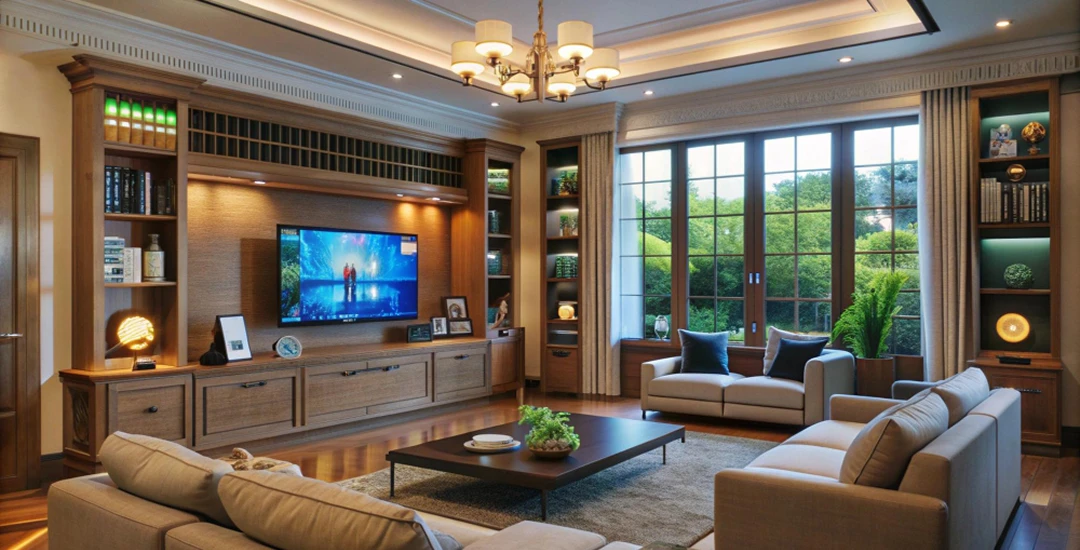
Choosing the right floor plan is one of the most important decisions when buying a manufactured home. The layout you select will impact how comfortable, functional, and enjoyable your home feels every day. A well-designed floor plan can make your home feel larger, improve traffic flow between rooms, and create a space that matches your lifestyle.
Modern manufactured homes offer a wide variety of layouts, from compact single-wide designs to spacious multi-section homes. Understanding how different floor plans work can help you find the perfect home for your needs.
Why the Floor Plan Matters
The floor plan determines how each room connects and how you will move through the space. A smart layout improves daily living by ensuring that important areas such as the kitchen, living room, and bedrooms are positioned in practical and convenient locations.
A good floor plan should provide comfort, privacy, and flexibility while making the most of the available square footage.
Consider Your Lifestyle
Your daily routine should play a big role in selecting the right floor plan. Think about how you use your home and which spaces are most important for your family.
- Families may prefer larger living areas and multiple bedrooms
- Remote workers may need a dedicated home office
- Couples may prioritize a spacious master suite
- Frequent hosts may want open entertainment areas
Choosing a layout that fits your lifestyle will make your home more comfortable and practical.
Open Concept vs Traditional Layouts
Many modern manufactured homes feature open-concept layouts. In this design, the kitchen, dining area, and living room are connected without walls separating them.
Open layouts offer several advantages:
- Create a larger and more spacious feeling
- Allow natural light to spread throughout the home
- Improve interaction between family members
- Provide better spaces for entertaining guests
Traditional layouts, with separate rooms, may offer more privacy and noise control. The right choice depends on your personal preferences and lifestyle.
Number of Bedrooms and Bathrooms
When selecting a floor plan, consider how many bedrooms and bathrooms your household needs. While a two-bedroom home may work well for couples or small families, larger households may benefit from three or four bedrooms.
Additional bathrooms can also improve comfort, especially for families with children or frequent guests.
Kitchen Placement and Functionality
The kitchen is often considered the heart of the home. A well-designed kitchen layout can make cooking and meal preparation much easier.
Look for features such as:
- Convenient counter space
- Kitchen islands or breakfast bars
- Nearby dining areas
- Adequate pantry storage
A centrally located kitchen can also make the home feel more connected and functional.
Privacy and Bedroom Layout
Bedroom placement is another important factor when evaluating floor plans. Some layouts place the master bedroom on one side of the home and the additional bedrooms on the opposite side. This split-bedroom design provides more privacy and is especially popular among families.
Other layouts may group bedrooms together, which can be beneficial for households with young children.
Storage Space
Storage is often overlooked when selecting a floor plan, but it plays a major role in keeping your home organized and clutter-free.
Look for floor plans that include:
- Walk-in closets
- Linen closets
- Kitchen pantry space
- Utility or laundry rooms
Well-designed storage solutions help maximize space and improve everyday convenience.
Natural Light and Window Placement
Natural light can make a home feel brighter and more spacious. Floor plans that include large windows in living areas and bedrooms often create a more comfortable and inviting environment.
Consider how sunlight enters different areas of the home throughout the day and how window placement affects both lighting and energy efficiency.
Future Needs and Flexibility
When choosing a floor plan, it is also helpful to think about the future. Your housing needs may change over time, so selecting a flexible layout can be beneficial.
For example:
- An extra bedroom can become a home office
- A flex room can serve as a playroom or guest room
- A larger living space can accommodate future family gatherings
Planning ahead ensures your home continues to meet your needs for many years.
Conclusion
Choosing the right manufactured home floor plan requires careful consideration of your lifestyle, family size, and long-term goals. By evaluating how each space will be used and selecting a layout that supports daily activities, you can create a comfortable and functional living environment.
A well-designed floor plan not only improves everyday living but also adds long-term value to your home. Taking the time to explore different layouts will help you find the perfect manufactured home for your lifestyle.